
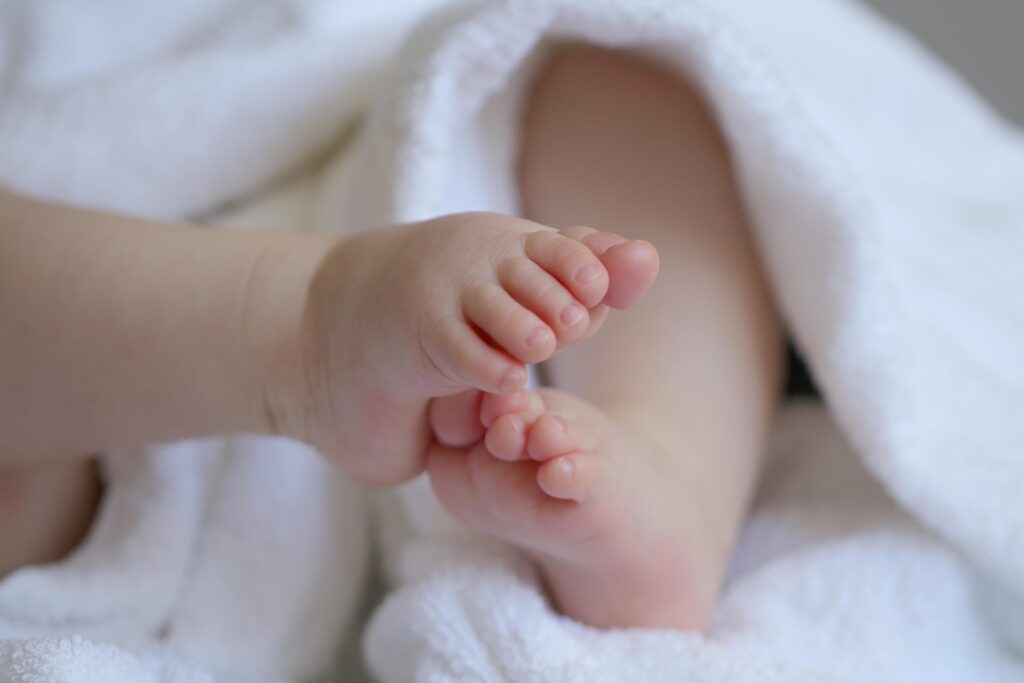
Knitted elastic serves as a key stretch component in garments, and its quality directly determines product comfort and durability. In the development of intimate apparel and baby clothing, “touch” is not only the first impression for consumers, but also a core part of brand value. For brands pursuing high quality, the challenge is how to use precise manufacturing techniques to maintain stable rebound performance while keeping a fine, skin‑friendly, and low‑irritation feel.
This article deeply analyzes the physical structure and soft finishing of knitted elastic, explores how to balance breathability and shrinkage, and explains how international standardized testing and supply chain management ensure products meet global market demands.
Keywords: knitted elastic, skin‑friendly underwear, baby clothing, soft finishing, ultimate skin comfort, breathability, shrinkage, product testing, ISO 9001, ISO 14001
Knitted Elastic: Physical Structure and Soft Finishing
Knitted elastic is the top choice for skin‑friendly underwear and baby clothing due to its unique loop interlocking (Loop Structure) process. Unlike the tight interlacing of woven structures, knitted elastic forms a naturally loose and porous structure through interconnected loops, allowing fibers greater movement space during stretching. This greatly enhances softness and comfort.
For soft finishing, high‑quality production typically uses high‑spec nylon 66 or ultra‑fine polyester fibers as covering yarns, and precisely controls the thickness and hand feel by adjusting knitting machine gauge and yarn feed tension. For baby clothing applications, the process emphasizes “edge‑insensitive” design, ensuring the knitted elastic edges remain smooth and non‑irritating even under stretch, reducing friction risks on infants’ delicate skin. It also maintains the “non‑narrowing during stretch” advantage, making panty waists and cuffs fit closely without pressure.
Knitted Elastic: Key Design for Balancing Breathability and Shrinkage
While the porous structure of knitted elastic improves air circulation and helps dissipate body heat and moisture, for brand procurement, shrinkage after washing and long‑term wear support are the key technical considerations. A looser structure often leads to higher post‑wash shrinkage, which can alter garment fit or harden the feel, affecting baby wear safety and underwear closeness.
To achieve balance between breathability and shrinkage, the following production parameters must be strictly monitored during development:
- Yarn count (Yarn Count): Affects fabric fineness and fullness; higher count yarns enhance softness but require proper tension to avoid looseness.
- Knitting gauge (Gauge): Determines loop density and recovery; higher density boosts support but may reduce breathability, while lower density does the opposite—adjust based on use.
- Rubber thread ratio (Elastic Ratio): Directly impacts stretch modulus and long‑term size stability. Industry experience shows high‑quality knitted elastic should control wash shrinkage within ±5%, with optimized processes reaching ±3%.
Suppliers with ISO 9001 quality management backgrounds typically introduce high‑temperature pre‑shrinking and heat setting, paired with wash dimensional stability tests and repeated stretch tests, to simulate real wear and washing conditions. This ensures the product retains its original skin‑friendliness and shape after multiple washes.
International Testing Regulations and Quality Verification Focus for Knitted Elastic
In the international market, knitted elastic must pass rigorous physical performance and chemical safety tests to enter high‑end brand supply chains. Below are the two most important test standards and related common regulations, summarized in a comparison table for brand procurement and technical teams.
Table 1: International Testing Regulations Comparison for Knitted Elastic
| Test Item | Recommended Test Standard | Test Purpose and Core Indicators | Suggested Standard Value (Reference)* | Application Focus Explanation |
| Strength and Rebound | ASTM D4964 | Measures stretch force and decay rate at specific elongation | Decay rate < 15% | Ensures underwear and baby clothing do not loosen after long wear; suitable for skin‑friendly underwear and high‑frequency stretch. |
| Elastic Recovery Rate | ASTM D2594 | Measures residual deformation and recovery after repeated stretching | Recovery rate ≥ 90% | Dedicated for knitted elastic to prevent permanent deformation after washing and repeated wear. |
| Wash Dimensional Stability | ISO 6330 | Assesses size change after home washing and drying | ±3% ~ 5% | Prevents post‑wash shrinkage and fit distortion; suitable for baby clothing and intimate apparel. |
| Breathability | ASTM D737 | Measures air flux per unit time to evaluate dryness | ≥ 100 mm/s | Enhances summer and sportswear comfort; suitable for high‑breathability underwear and infant close‑fit clothing. |
| Chemical Safety | OEKO‑TEX 100 | Detects harmful chemicals and allergens | Class I (Infant grade) | Essential certification for baby clothing and intimate apparel to ensure skin‑contact materials meet safety limits. |
| Wash Color Fastness | ISO 105‑C06 | Tests color migration and staining after washing | ≥ 4 grade | Prevents dye transfer to skin or clothing, reducing allergy risks; suitable for infants and sensitive skin groups. |
⚠️ Note: The test methods and suggested standard values in the table above are for industry reference only. Actual indicators must be based on product design, use, and brand technical standards.
Common Elastic Tape Product Comparison and Application Suggestions
In accessory procurement decisions, understanding the characteristics of elastic tapes from different processes helps precisely match product positioning and market needs. Below is a product comparison table for three common types in skin‑friendly underwear and baby clothing applications.
Table 2: Common Elastic Tape Product Comparison Table (Knitted vs Woven vs Braided)
| Characteristic Comparison | Knitted Elastic | Woven Elastic | Braided Elastic |
| Touch Fineness | Extremely soft, fine edges, suitable for long‑term skin contact | Firmer, stronger edge graininess, more pressure | Medium feel, zigzag or striped texture, harder touch |
| Structure and Breathability | Loose porous structure, excellent breathability, no width reduction during stretch | Tight and thick, lower breathability, stable structure | Medium breathability, tight structure, strong recovery |
| Stretch Performance and Pressure | High stretch, low pressure, suitable for babies and intimate apparel | Low stretch, strong support, used for waistbands or outerwear | Medium stretch, width prone to narrowing, suitable for general apparel and waistbands |
| Durability and Abrasion Resistance | Average, prone to elastic fatigue after prolonged stretching | Excellent abrasion resistance, hard to damage | Good abrasion resistance, suitable for high‑frequency use |
| Core Application Scenarios | Skin‑friendly underwear, baby panty waists, loungewear, infant close‑fit clothing | Outdoor apparel, workwear, industrial waistbands, high‑tension needs | General apparel waistbands, panty waists, backpack straps, and general sportswear |
⚠️ Note: The product characteristic analysis in the table is based on general industry experience. Actual performance varies with yarn composition, rubber thread ratio, and post‑processing. Recommend real testing for specific products.
For scenarios pursuing ultimate skin comfort, knitted elastic’s advantages in “low pressure” and “high breathability” are hard to replace. While woven elastic offers higher stability for industrial and outerwear use, for 24‑hour skin‑contact baby products and premium underwear, knitted elastic’s delicate touch and skin‑friendliness are key to brand differentiation.
Long‑Term Durability and Environmental Management: Maintaining Quality Stability
Knitted elastic often faces elastic fatigue (Elastic Fatigue) and surface pilling during long‑term use, affecting appearance and comfort. To address these, suppliers with ISO 14001 environmental management awareness typically select high‑quality elastic fibers (such as Spandex) and use low‑temperature eco‑dyeing processes in finishing stages. This reduces water and chemical consumption while maintaining soft hand feel and color fastness.
These suppliers commonly implement the following quality maintenance measures:
- Cycle stretch testing (Cycle Test): Simulates thousands of wear cycles to verify durability and recovery of knitted elastic.
- Anti‑pilling testing: Ensures the knitted structure remains smooth and fine after friction with outer fabrics, preventing pilling in infant clothing that affects touch and safety.
- Environmental and supply chain footprint monitoring: Aligns with ISO 14001 to track energy, water, and chemical use, helping brands build green BOM and sustainable supply chains to boost global competitiveness.
From Material Structure to Supply Chain Quality Transformation
In the fiercely competitive textile market, knitted elastic is more than a garment accessory—it is a key detail influencing consumer experience and brand reputation. Through precise control of knitting structure, yarn density, and rubber ratio, combined with international test standards like ISO 6330, ASTM D4964, ASTM D2594, ASTM D737, OEKO‑TEX 100, and ISO 105‑C06, brands can balance skin‑friendliness, safety, and durability, effectively attracting procurement from underwear and children’s clothing brands.
Illume Ltd. provides professional product testing and supply chain management services to help your products meet global inspection standards (fees apply).
References (Two Most Important Standards Mentioned in This Article):
- ISO 6330: Textile domestic washing and drying procedure standard.
- ASTM D4964: Standard test method for tension and elongation of elastic fabrics.
⚠️ Note: The test methods and data mentioned in this article are for common industry reference. Actual specifications must be confirmed based on product design, use, and brand technical standards.