
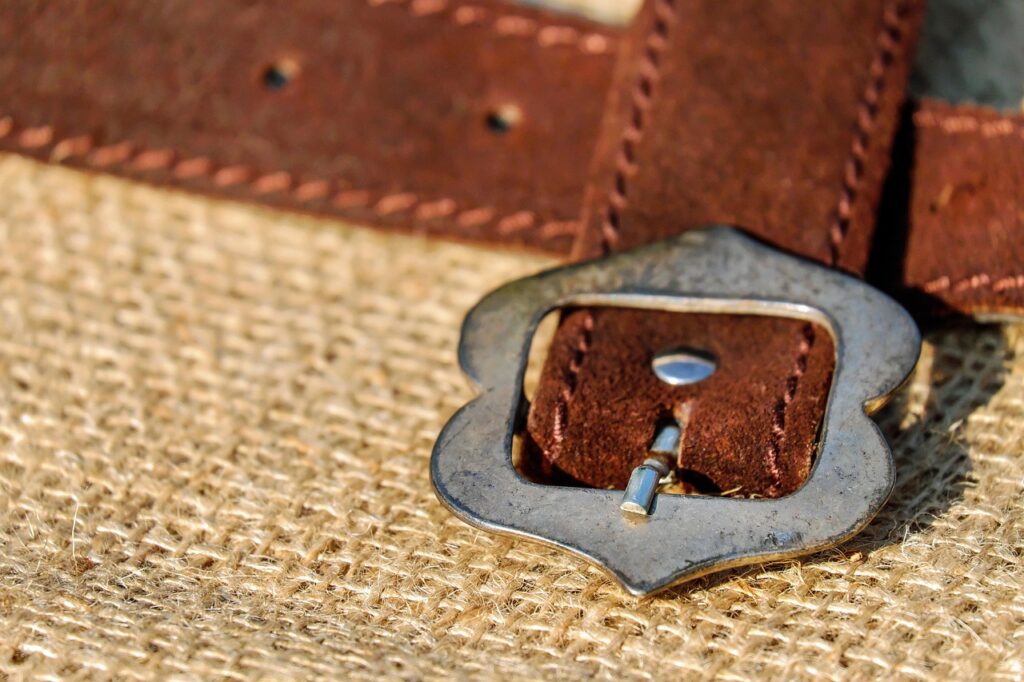
Snap buttons, rivets, and metal buckles commonly used in apparel, bags, and leather goods face “corrosion and rust” as the most common yet underestimated quality risk. During sea shipping, warehousing, retail display, and consumer use, exposure to moisture, sweat, and salt can cause red rust, white haze, discoloration, or blistering if plating and topcoat systems are incomplete, leading to complaints and brand damage. Salt Spray Test is the world’s most widely used accelerated corrosion test for verifying metal surface treatment integrity. However, per international standards, it is not for predicting real-world lifespan but for comparing surface treatment systems under harsh conditions. Understanding its true role turns test results into effective procurement and quality control benchmarks.
Keywords: Snap Button, Rivet, Metal Buckle, Salt Spray Test, Hardware Fasteners, Hardware Rust
1. Salt Spray Testing’s Role: Verifying Plating and Topcoat Integrity
In a test chamber at 35°C with a 5% NaCl (salt) spray, salt ions quickly find weak spots in the plating or holes in the lacquer. This “accelerated damage” helps find manufacturing mistakes like thin plating, poor sticking (adhesion), or unfinished lacquer curing in a short time.
The true value of a Salt Spray Test is to:
- Compare the rust resistance of different plating or lacquer systems.
- Check if the manufacturing process is stable and consistent.
- As an objective indicator of a supplier’s manufacturing process capability.
- Establish internal quality benchmarks, rather than corresponding to actual service life.
2. Common International Standards for Hardware
The table below summarizes international standards highly relevant to metal corrosion resistance verification. Understanding “what problem each standard addresses” is more important than simply requiring a certain number of test hours.
| Standard | Name | Focus | Meaning for Procurement |
|---|---|---|---|
| ISO 9227 / ASTM B117 | Neutral Salt Spray (NSS), Acetic Acid Salt Spray (AASS) , Copper-Accelerated ASS (CASS) | Surface integrity in salty air | A base to compare plating stability. |
| ISO 10289 | Corrosion Rating (RN) | Grading based on rust patterns | A scientific way to “score” rust beyond just pass/fail. |
| ISO 2409 | Cross-cut Test | Coating adhesion | Checks if the lacquer sticks well to the metal. |
| ISO 3497 / ASTM B568 | XRF Thickness Test | Measuring plating thickness | Confirms if the plating is thick enough to meet specs. |
| EN 1811 (REACH) | Nickel Release | Metal in contact with skin | Critical for items sold in the EU to avoid skin allergies. |
Key Points:
- ISO 9227 explicitly states salt spray results cannot predict real environments.
- ISO 10289 RN grading uses visible corrosion features, not simple area percentage.
- Pair XRF (thickness) with salt spray (system integrity).
3. Why Plating Color and Material Purity Affect Results
In practice, many salt spray failures stem not from thin plating but from:
- Antique finishes (e.g., antique silver/bronze): Brushed or distressed for vintage look, disrupting plating continuity and requiring premium topcoats.
- Zinc alloy impurities: Excess iron causes internal corrosion sources, leading to pitting.
- Improper topcoat curing: Incomplete per TDS causes blistering/peeling in salt fog.
- Barrel plating collisions: Micro-damage on small parts from tumbling.
4. Recommended Internal Corrosion Benchmarks
The table provides common internal verification benchmarks to differentiate quality thresholds by product positioning. Salt spray hours verify overall system design stability, not absolute quality grades.
| Product Level | Suggested NSS Hours* | Grading (ISO 10289) | Verification Focus |
|---|---|---|---|
| Fast Fashion | 24 hours | No red rust; slight color change okay | Basic plating protection |
| Standard Export | 48 hours | No visible red rust or bubbles | Stable plating & lacquer |
| High-end Luxury | 72–96 hours | No corrosion features | High-integrity coating |
| Outdoor/High Humidity | 168+ hours | Perfect structure and look | Enhanced lacquer & pure metal |
*Note: These hours are industry examples, not mandatory international laws.
Key points:
Salt spray hours are not a quality grade in themselves; rather, they are used to verify the overall system stability of the electroplating, sealing lacquer, and substrate material design.
5. Topcoats: The Final Defense Line for Hardware
For most apparel hardware, organic topcoats (Lacquer/ED Coating), not metal plating, truly resist salt fog and moisture.
- Electrophoretic coating (ED) offers uniform thickness and superior pore coverage.
- Topcoat baking must fully follow TDS.
- Adhesion and edge coverage determine long-term durability.
- This explains why identical plating thickness yields vastly different salt spray results.
Conclusion: System Design Mindset Over Hours Myth
In international brand specs, salt spray is never a standalone quality grade but a tool to verify surface treatment integrity. True hardware durability depends on:
- Material purity
- Plating system design
- Topcoat quality/curing
- Process stability
- Packaging/logistics moisture control
When controlled properly, salt spray naturally meets targets, ensuring consistent performance across the supply chain.
Illume Ltd. provides professional hardware testing and supply chain management services (fees apply). Let us help you ensure your products meet global quality standards.
References: ISO 9227 salt spray test.
⚠️Above testing standards and data are for reference only. For compliance and final production safety, actual results must be verified by ISO-certified third-party laboratory reports.